Brain Injuries — Types, Symptoms, Recovery & Impact
Traumatic and acquired brain injuries affect cognition, mood, movement, senses, sleep, and hormone regulation. This page explains injury types, red-flag emergencies, testing (CT/MRI/DTI, neuropsych), rehab (PT/OT/SLP), school/work accommodations, and practical self-advocacy.
🧠 Brain & Nervous System
Brain Injuries — Types, Symptoms, Recovery & Everyday Impact
Brain injuries change how people think, feel, move, and interact with the world. Some effects are visible; many are silent but life-shaping. Below is a practical, in-depth guide to injury types, common symptoms, testing, rehabilitation, and **how to navigate school, work, and relationships** during recovery.
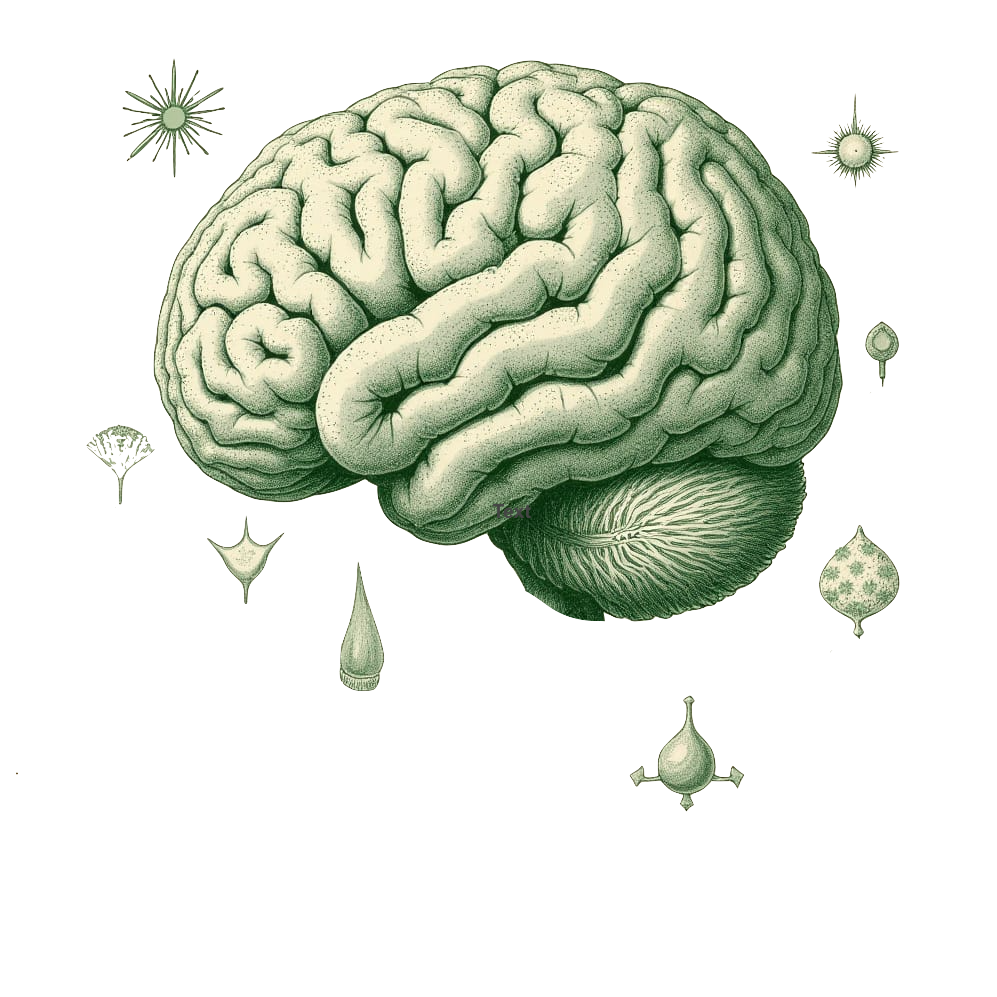
1) Types of Brain Injury
Traumatic Brain Injury (TBI)
- Concussion (mTBI) — brief alteration in awareness; headaches, light/noise sensitivity, slowed processing, nausea, sleep disruption.
- Contusion — bruise of brain tissue; may cause focal deficits depending on location.
- Diffuse Axonal Injury (DAI) — widespread shearing of axons from acceleration/deceleration; can cause attention/executive deficits, coma in severe cases.
- Hematomas — epidural, subdural, subarachnoid; mass effect can be life-threatening.
- Penetrating injuries — focal tissue damage + infection risk.
Acquired (Non-Traumatic) Brain Injury (ABI)
- Hypoxic/Anoxic injury — cardiac arrest, choking, near-drowning; memory and attention commonly affected.
- Toxic-metabolic — carbon monoxide, heavy metals, severe electrolyte or glucose disturbances.
- Infectious/Inflammatory — meningitis, encephalitis, autoimmune encephalitis.
- Vascular — stroke, hemorrhage (see Vascular Brain Disorders).
- Neurosurgical/tumor-related — resection effects, edema, treatment sequelae.
2) How Brain Injuries Affect People
Cognitive
- Attention, processing speed, working memory
- Executive function: planning, organization, initiation, inhibition
- Language: word-finding, comprehension; social pragmatics
- Memory: encoding, retrieval; prospective memory (remembering to do things)
Physical & Sensory
- Headache, dizziness/vertigo, balance issues
- Light/noise sensitivity; tinnitus or hearing changes; visual issues (convergence, tracking)
- Weakness, spasticity, coordination problems
- Sleep disturbance (insomnia, hypersomnia), fatigue
Emotional & Behavioral
- Mood swings, anxiety, depression, irritability
- Reduced frustration tolerance; impulsivity or apathy
- PTSD features after traumatic events
Autonomic & Endocrine (often overlooked)
- Heart rate/BP variability, temperature regulation issues
- Post-TBI pituitary dysfunction (fatigue, libido, weight, mood changes)
3) Testing & Diagnosis
- History & exam — mechanism, loss/alteration of consciousness, amnesia, red flags.
- Imaging — CT (acute bleed), MRI (contusion/DAI), and specialized sequences (SWI, DTI) where indicated.
- Neuropsychological testing — objective profile of cognition; guides rehab and accommodations.
- Vestibular/ocular motor screening — balance, gaze stability, convergence.
- Endocrine labs if fatigue, temperature, libido, or weight changes suggest pituitary issues.
4) Rehabilitation & Neuroplasticity
Interventions
- PT for balance, gait, strength; OT for daily living & cognitive strategies
- SLP for language, cognition, swallowing; Vision therapy for oculomotor issues
- Vestibular therapy for dizziness and motion sensitivity
- Psychotherapy (CBT/ACT/trauma-informed) for mood, anxiety, adjustment; family education
Recovery principles
- Graded activity with pacing to avoid overexertion “crashes”
- Task-specific practice & distributed repetition leverage neuroplasticity
- Sleep, hydration, nutrition are therapeutic inputs
- Assistive tech & compensatory tools (timers, checklists, text-to-speech)
5) School & Work Accommodations
Common supports
- Reduced workload or extended time; breaks between tasks
- Quiet space; tinted lenses or screen filters for light sensitivity
- Note-taking help, recorded lectures, written instructions
- Flexible schedules; gradual return-to-learn/return-to-work plans
Strategy ideas
- 1–3–1 pacing: 1 task → 3 mins rest → 1 task
- Externalize memory (planner, reminders); chunk projects into micro-steps
- Use noise-reduction headphones; adjust lighting; manage screen contrast
6) Safety & Red-Flag Symptoms
Seek urgent evaluation for:
- Worsening severe headache, repeated vomiting, seizure, slurred speech, weakness/numbness
- Unequal pupils, confusion, unusual drowsiness, neck stiffness, high fever
- Behavioral changes that are sudden or extreme; loss of consciousness
- Any concern for skull fracture or spinal injury
7) Caregiver & Self-Advocacy
- Track symptoms, triggers, and activity tolerance; bring a one-page summary to visits
- Ask: “What is my graded return plan and how will we adjust if symptoms flare?”
- Schedule follow-ups; coordinate across rehab disciplines; include mental health support
- Celebrate incremental progress; recovery is not linear
Important Notice
This educational content is not a substitute for medical advice, diagnosis, or treatment. Seek emergency care for red-flag symptoms.