Understanding the Heart of the Matter
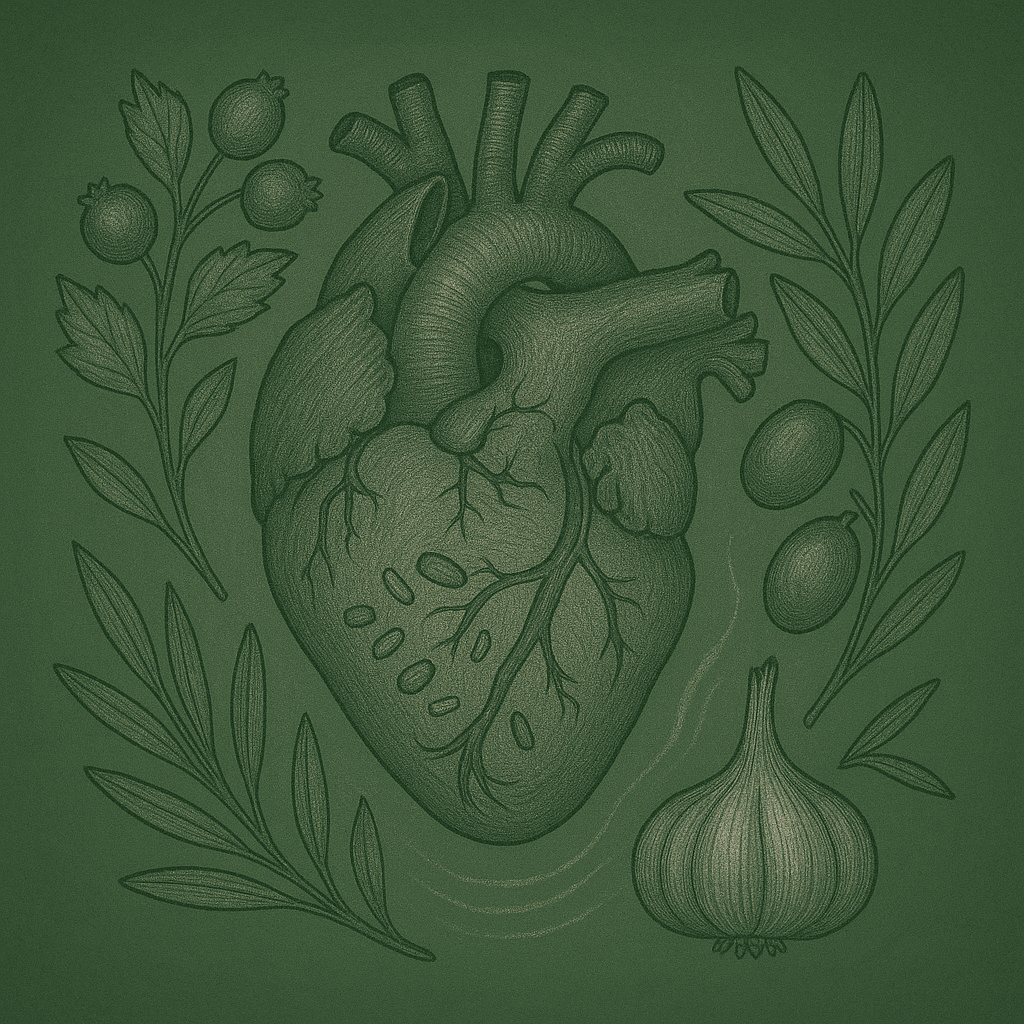
Cardiology is the branch of medicine that deals with disorders of the heart and the circulatory system. It covers everything from congenital defects to acquired conditions like coronary artery disease (CAD), heart failure, and arrhythmias. Despite being only about the size of a clenched fist, the heart is one of the most complex and vital organs in the human body. Its function is both mechanical and electrical, and when either system falters, the entire body feels it.
Anatomy & Blood Flow
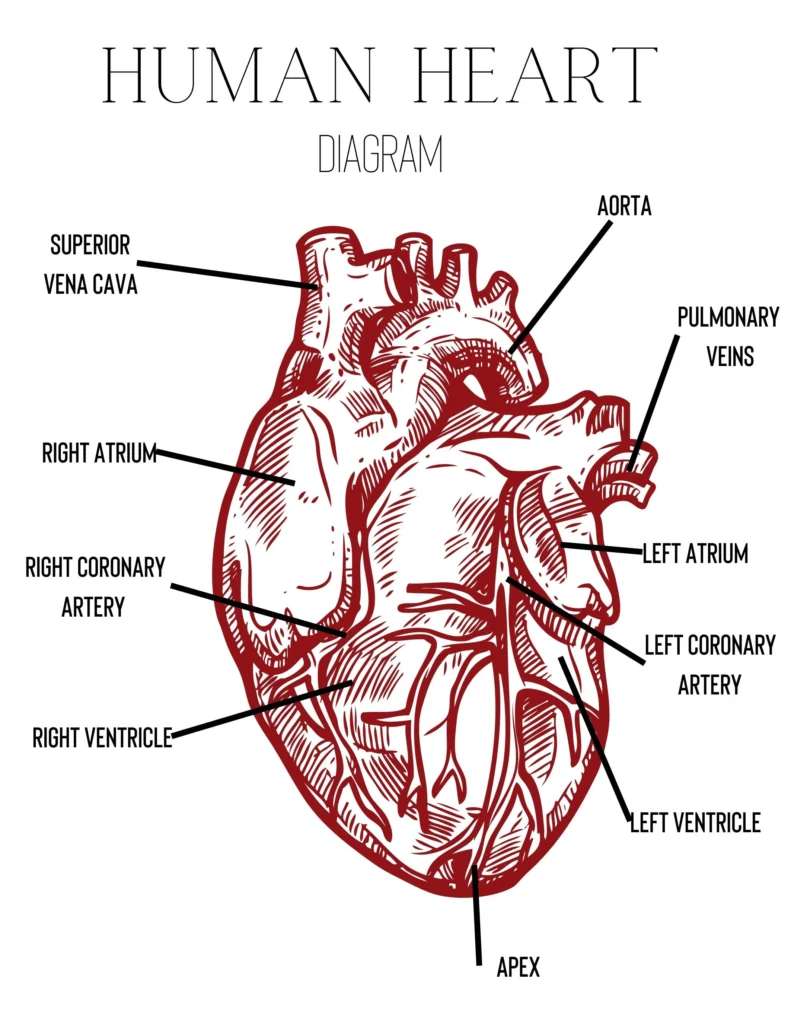
The heart is made up of four chambers: two atria (upper chambers) and two ventricles (lower chambers). Blood flows through the heart in a specific sequence, regulated by valves: the tricuspid, pulmonary, mitral, and aortic valves. The right side receives deoxygenated blood and pumps it to the lungs, while the left side receives oxygen-rich blood from the lungs and pumps it into systemic circulation.
Electrical Conduction
Electrically, the heart functions via the cardiac conduction system, which includes the sinoatrial (SA) node, atrioventricular (AV) node, bundle of His, bundle branches, and Purkinje fibers. This system creates the heart’s rhythm—about 60 to 100 beats per minute under normal conditions.
Treatment Approaches
A. Medications
Commonly used drug classes include:
- Beta-blockers – reduce heart rate and myocardial oxygen demand
- ACE inhibitors/ARBs – lower blood pressure and reduce strain on the heart
- Statins – manage cholesterol
- Anticoagulants – especially in AFib to prevent stroke
B. Interventions
- Percutaneous Coronary Intervention (PCI) – includes angioplasty and stent placement.
- Coronary Artery Bypass Grafting (CABG) – surgical rerouting of blood around clogged arteries.
C. Devices
- Pacemakers – for bradyarrhythmias
- Implantable Cardioverter-Defibrillators (ICDs) – for patients at risk of sudden cardiac death
- Left Ventricular Assist Devices (LVADs) – for end-stage HF patients awaiting transplant
Common Cardiovascular Diseases
A. Coronary Artery Disease (CAD)
CAD is caused by atherosclerosis, the buildup of plaque in the coronary arteries. This limits blood flow to the myocardium, leading to ischemia and, potentially, myocardial infarction (MI). Common symptoms include chest pain (angina), shortness of breath, and fatigue.
B. Heart Failure (HF)
Heart failure is when the heart can’t pump enough blood to meet the body’s needs. It can be systolic (reduced ejection fraction) or diastolic (preserved ejection fraction). Common causes include previous MI, hypertension, and valvular disease.
C. Arrhythmias
These are disruptions in the normal heart rhythm. Atrial fibrillation (AFib) is the most common and increases the risk of stroke. Ventricular arrhythmias are more dangerous and may be life-threatening.
D. Hypertension (HTN)
Often called the “silent killer,” hypertension increases the risk of stroke, CAD, HF, and kidney disease. It’s usually asymptomatic until damage occurs.
Diagnostic Tools in Cardiology
A. Electrocardiogram (ECG/EKG)
A non-invasive test that records electrical signals from the heart. It can detect arrhythmias, ischemia, and signs of previous infarction.
B. Echocardiography
An ultrasound of the heart that helps assess chamber size, wall motion, valve function, and ejection fraction.
C. Stress Testing
Used to evaluate the heart’s function under physical stress, helping to unmask ischemia.
D. Cardiac Catheterization
An invasive procedure that visualizes coronary arteries and can be used for both diagnosis and treatment (e.g., stenting).
Cardiology is a critical and ever-evolving field. The human heart may be a relatively small organ, but its impact on health is massive. Understanding how the heart functions, how diseases manifest, and how we can diagnose and treat them is fundamental for anyone pursuing medicine. As cardiovascular diseases remain a leading cause of death worldwide, the need for innovation and education in cardiology has never been greater.
Preventive Cardiology and Lifestyle Medicine
Preventing cardiovascular disease is a major public health focus. Key prevention steps include:
- Smoking cessation
- Regular aerobic exercise
- Heart-healthy diet (e.g., Mediterranean diet)
- Blood pressure and lipid control
- Diabetes management