Cusack Protocol — What It Is, What It Isn’t, and Where Science Stands
This page summarizes a grassroots supplement regimen reported by patient communities. It is not medical advice. Discuss all interventions with your treating clinician.
Established in 2009 by Deborah Cusack, a patient diagnosed with Ehlers–Danlos syndrome (EDS), is a grassroots-developed nutritional supplement regimen:
The Cusack protocol is designed to address a broad spectrum of physiological dysfunctions associated with EDS, including connective tissue fragility, mast cell activation (MCAS), dysautonomia (e.g., postural orthostatic tachycardia syndrome, POTS), mitochondrial dysfunction, detoxification inefficiency, and cognitive impairment. While its popularity has grown significantly in online patient communities, particularly on platforms like Reddit and Facebook, the protocol has not been formally validated by randomized clinical trials (RCTs) or evaluated in peer-reviewed scientific literature.
Supplements and Proposed Mechanisms
1.1 Polysaccharides (Aloe Vera, Maitake)
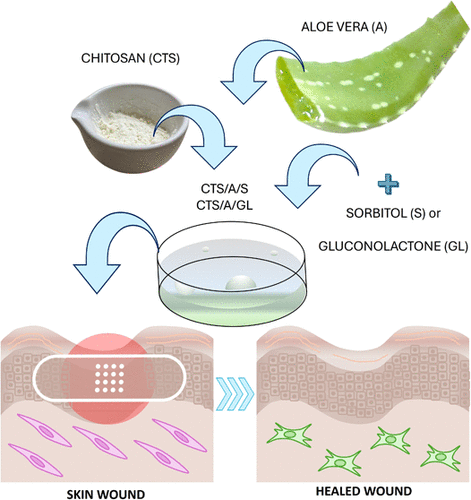
Preclinical studies suggest that Aloe polysaccharides, specifically acemannan and related phenolic compounds, can stimulate fibroblast proliferation, migration, and collagen type I synthesis by 15–25% in scratch assays at 0.25–0.5 mg/mL concentrations. These actions may enhance connective tissue repair, relevant to ligaments, dermis, vasculature, and other tissues compromised in EDS.
1.2 Probiotics (Lactobacillus rhamnosus GG)
Lactobacillus rhamnosus GG (commercially branded as Culturelle®) has demonstrated efficacy in reducing gut epithelial permeability and stabilizing mast cells in small clinical studies. The strain is widely used in the Cusack Protocol to address GI inflammation, brain fog, and mast cell-related symptoms.
1.3 Pyrroloquinoline Quinone (PQQ)
PQQ has been shown to prevent UVA-induced fibroblast senescence via activation of the SIRT1/Nrf2/HO‑1 pathway and to suppress matrix metalloproteinases MMP1 and MMP3 expression. Additionally, it has demonstrated anti-fibrotic effects in epithelial–mesenchymal transition models of lung injury. In human studies, 20 mg/day over 12 weeks improved cerebral blood flow and memory in elderly populations and promoted mitochondrial biogenesis via PGC-1α/Nrf2 activation. Animal models have also shown enhanced vascularization and adipocyte viability in tissue grafts.
1.4 L-Arginine
L-Arginine is a nitric oxide (NO) precursor that improves vascular endothelial function. This has relevance for EDS patients experiencing POTS or vascular dysregulation. Although direct clinical studies are lacking, user reports describe symptomatic improvements following supplementation.
1.5 Lion’s Mane (Hericium erinaceus)
Lion’s Mane mushroom is reputed for its neuroregenerative potential, supported by animal models and limited human data. It is included in the protocol to address cognitive dysfunction or “brain fog,” though robust clinical evidence is currently insufficient.
1.6 Diatomaceous Earth
Food-grade diatomaceous earth is included in the protocol for its supposed benefits in detoxification and gastrointestinal mucosal support. These claims remain anecdotal; no human studies have validated its efficacy or safety in this context.
1.7 Glucosamine–Chondroitin
Commonly used for osteoarthritis, these compounds are included to support joint health in the EDS population. While some clinical evidence exists for their chondroprotective effects in arthritic conditions, their utility in connective tissue disorders like EDS remains speculative.
1.8 Optional Add-Ins
The protocol is sometimes expanded to include astragalus (immune and connective tissue support), hyaluronic acid (joint/ocular hydration), D-ribose (mitochondrial energy substrate), and CoQ10 (antioxidant and mitochondrial support), based on individual patient needs and symptom profiles.
Therapies, Dosing, and Phased Implementation
2.1 “Healing Curve”
Many patients report an initial worsening of symptoms—fatigue, joint stiffness, gastrointestinal upset—during the first few weeks of the protocol. This is often described as a “healing curve” or Herxheimer-like reaction, interpreted by the community as evidence of detoxification and tissue repair.
2.2 Gradual Introduction
The protocol advocates for introducing supplements one at a time, beginning at low doses and increasing incrementally. This staged approach is intended to reduce the likelihood of adverse reactions and to allow attribution of effects to specific agents.
Reported Outcomes
3.1 Connective Tissue and Mobility
Patients frequently report improved tissue resilience, decreased joint subluxations, and enhanced skin integrity. These effects are attributed to fibroblast stimulation by polysaccharides and mitochondrial support via PQQ.
3.2 Autonomic and Vascular Stability
The combination of L-arginine and PQQ is cited by users as beneficial for symptoms associated with POTS, including dizziness and orthostatic intolerance.
3.3 Mast Cell Regulation and Gastrointestinal Health
Probiotics (particularly L. rhamnosus GG) and Aloe are reported to stabilize mast cell responses, improve gastrointestinal integrity, and reduce bloating, nausea, and food sensitivities.
3.4 Energy and Cognitive Function
PQQ has been cited in both scientific and anecdotal literature for its role in improving mitochondrial function and cerebral perfusion. In biohacking communities, it is often combined with compounds like acetyl-L-carnitine (ALCAR) and cordyceps to enhance mental clarity and stamina.
Potential side effects include gastrointestinal upset, mast cell flare-ups, hormone fluctuations, and allergic responses. Long-term safety data are lacking, especially concerning compounds like PQQ and diatomaceous earth. Because of potential interactions and dosing challenges, medical supervision—ideally by clinicians experienced in EDS and functional medicine—is strongly recommended.
Clinical Research Priorities
While each component of the Cusack Protocol has some biological or clinical rationale, no comprehensive studies have evaluated the protocol as a whole. Most supporting data come from in vitro models, animal studies, or community self-reporting. As such, the protocol remains scientifically unvalidated despite promising preliminary mechanisms.
- Randomized Controlled Trials (RCTs): Testing Aloe + PQQ + probiotics in EDS/MCAS/POTS populations
- Dose-response and duration studies for key agents such as PQQ and Aloe
- Biomarker studies: Measuring pre- and post-treatment effects on fibroblast activity, endothelial function, collagen synthesis, mast cell mediators, and mitochondrial function
Online communities, especially Reddit and Facebook, have played a pivotal role in the protocol’s propagation. Testimonials often cite dramatic improvements in function and quality of life. Nonetheless, these narratives are not substitutes for clinical validation and must be weighed against the risk of misinformation or adverse outcomes.